Tuesday, May 6, 2025

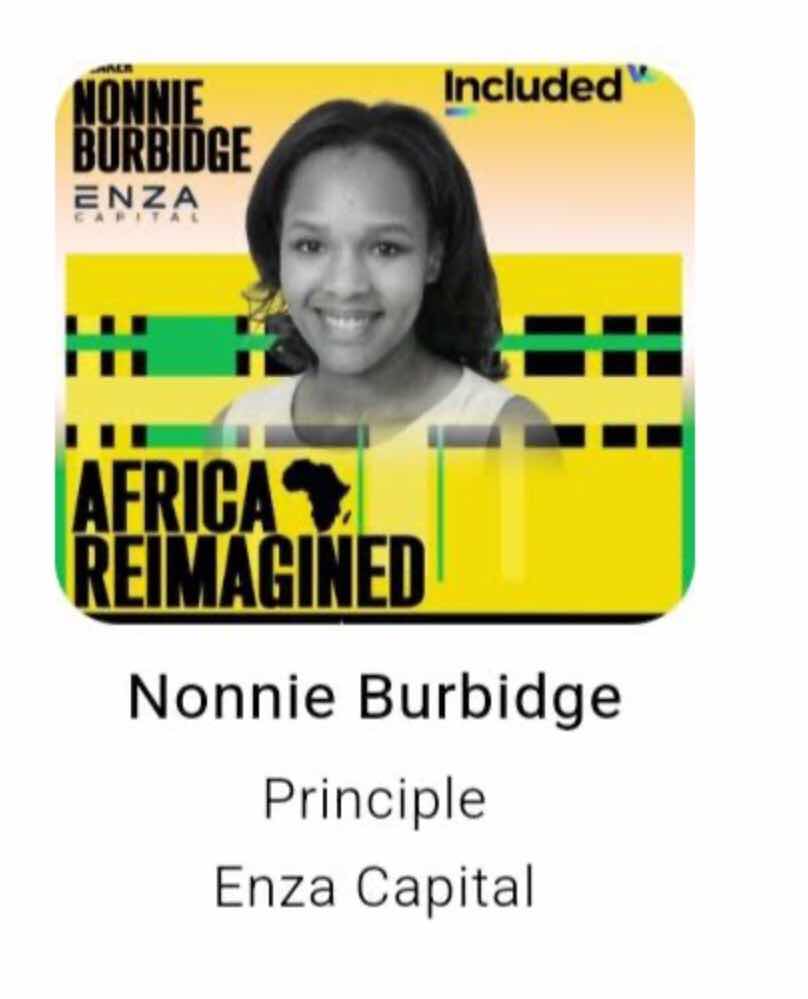
Africa Reimagined: VC & Beyond-Debunking Myths in VC|Enzo Capital with Nonnie Burbidge

Day 1 Part 1


Those who interact with Intersection Magazine should now know that we have tried to find the best events and cover them. As such there has been quite a critical look at the more prominent conferences and meetups with the aim of trying to crack the code that results in the most useful experiences.


Beyond Headlines: Debunking Myths in Africa VC| Enza Capital


  • The first myth is that VC has not arrived in Africa. The reality is that Billions have been invested creating several unicorns, deals and exits. Side Note: In the startup world, animal metaphors are used to categorize and understand different types of companies, often reflecting their business models and valuations. The most famous is the "unicorn," a privately held startup valued at $1 billion or more, representing rare and high-value ventures. Other metaphors include camels, zebras, cockroaches, and donkeys, each with distinct characteristics reflecting different approaches to growth, funding, and profitability. 


Here's a breakdown of some common animal metaphors in startups:


1. Unicorn:

  • Meaning: A privately held startup valued at $1 billion or more. 
  • Characteristics: Typically associated with rapid growth, high valuations driven by venture capital, and a focus on achieving market dominance. 
  • Example: Many tech companies, especially those in e-commerce, AI, or fintech, can be categorized as unicorns. 

2. Camel:

  • Meaning:
    Startups that prioritize financial stability, resourcefulness, and potentially slower growth but greater sustainability.
  • Characteristics:
    Exhibit good unit economics, can weather economic shocks, and are less reliant on venture capital.
  • Example:
    Companies focused on long-term customer relationships, sustainable business models, and consistent revenue generation. 

3. Zebra:

  • Meaning:
    Startups that focus on profitability and sustainable growth, balancing the pursuit of profits with a desire to make a positive impact.
  • Characteristics:
    Prioritize sustainable business practices, social responsibility, and long-term viability over solely chasing high valuations.
  • Example:
    Companies focused on mission-driven businesses, social impact ventures, or businesses that prioritize customer satisfaction over purely financial gains. 

4. Cockroach:

  • Meaning:
    Startups that can thrive in harsh or challenging environments, often demonstrating resilience and adaptability.
  • Characteristics:
    Able to survive downturns, operate on lean budgets, and adapt quickly to changing market conditions.
  • Example:
    Companies that can thrive in competitive markets, even if they are not valued as highly as unicorns. 

5. Donkey:

  • Meaning:
    Startups that are often characterized as slow or stubborn, potentially lagging in growth or adaptation.
  • Characteristics:
    May have difficulty adapting to market changes or quickly scaling their operations.
  • Example:
    Companies that are resistant to change or struggle to adapt to new technologies or business models. 



  • Africa’s population is 1.5 Billion-but is the market massive? This is the second myth that the presenter dealt with. Population numbers do not always translate to revenue or buying power or use. A good example is the comparison between Boston and Kenya. The former is smaller but has a larger GDP than the latter. 
  • A strategy for scaling. While the temptation to scale nationally will present itself the expert from Enzo Capital suggests instead that you scale city by city. There are three main points that she uses to strengthen this idea. The first is that Africa is the sum of its parts as a result, minimal synergies exist between African countries. Secondly, scaling takes place with one of two paths. Either by Mergers and Acquisitions or by brute force Market Entry. Thirdly, there is the larger effect of regional treaties especially in this case AFCTA (Africa Continental Free Trade Agreement). 
  • Big numbers don’t always mean big business. Here there is an examination of GMV, Real Revenue and Margins.                                                               GMV stands for Gross Merchandise Value, and it's a metric that measures the total monetary value of all goods or services transacted by a company or on a marketplace. It's calculated before any deductions like fees, commissions, or returns. 


Here's a more detailed breakdown:

  • What it measures:
    GMV is a key indicator of a company's overall sales volume and the health of its marketplace. 

  • How it's calculated:
    It's simply the total value of all sales, including the price of goods, the quantity sold, and any fees paid, but not including expenses or returns. 

  • Why it's important:
    GMV helps businesses understand their market share, growth trends, and overall performance. It's also used by investors to compare different companies and marketplaces. 

  • Difference from Revenue:
    While GMV represents the total value of goods sold, revenue is the amount of money a company actually makes after deducting all expenses, such as fees, commissions, and returns. 


  • The other consideration is domiciling. She titles it as Delaware, Mauritius or onshore Africa. In a business context, "domicile" refers to the legal address or location where a company is registered and legally recognized.This is often the company's headquarters or the state where it is incorporated. The domicile determines the legal jurisdiction and may impact taxation, among other factors. 


Elaboration:

  • Legal Address:
    The domicile is the official legal address of the business, where it can be served with legal documents and where its existence is legally recognized.


  • Tax Implications:
    A company's domicile can influence its tax obligations, as it often determines which jurisdiction's tax laws apply to its income and activities.


  • Commercial Domicile:
    This specific term in Corvee refers to the location where a company is registered for legal purposes, distinct from where it might physically operate.


  • Multiple Domiciles:
    Businesses operating in multiple states or countries may have different commercial domiciles for different purposes, Corvee.


  • Not the Same as Residence:
    A company's physical location where it conducts business (its "residence") is different from its legal domicile, which is its registered location. 
    The author goes through each of these different locations with pros and cons as well as shares some of the upcoming ones like Rwanda which is leading the way as a destination for conferences as well as attempting to make a mark for itself as a potential replacement for Mauritius. 

  • The other major assumption is that all startups in Africa are Fintechs. The truth is that Fintechs form a major percentage of all startups and capture the largest chunk of VC investment. The other factor that affects the numbers is the idea that most problem solving applications have a Fintech angle to them. Additionally those who are starting tend to use Fintech as a means of securing funding. 
  • The other ideas that dominate the landscape is the split between Profit and Impact. One of the advantages that exists and that is unique to the African setting is that most of our builders are creating and solving for real world problems. How many of these are funded is another challenge all together. The desire to make ends meet and the need to respond to trends such as AI or Climate Change for example can drive developers into the ‘wrong’ hands. 

Saturday, April 26, 2025

Africa’s Business Heroes Information Session and Community Event


Opportunity and Community 


This month has been quite rich in events of note. The uniting thread of all these events is that I was only able to know about the them because of my association with FLUG. Founders Lounge Uganda Limited is currently hosted by a low key Tech Hub called Startup Hub which is found in the Ntinda Area along Serumaga Rd. I only became aware of their work after attending a Hive Colab yearly meetup a few years ago. Hive Colab had managed to put together another powerful event bringing a star studded cast of panelists from some of the most important and impactful Fintech in the country. The value of this panel was emphasized by someone more familiar with these types of settings-Jonathan Ntege Lubwama who as can be expected asked some pretty tough questions to those who were speaking at the panel. 


Secrets in Onboarding 


Africa’s Business Heroes I learned was hosting an event and after reading about it and noting the setting…Design Quarter where I have recorded an episode of my podcast. I was immediately interested. The other fascinating thing about my interaction with this event at least the registration part was the fact that they immediately let me in to their organization as a member of Africa’s Business Heroes. 

In a post written a few weeks back I endeavored to present some ideas that can help make it easier for different organizations or businesses who are looking to enter into new markets. For one particular group which has as an application, this meant making it mandatory to install the app to get access to attendance as well as merchandise. I think the strategy either planned or serendipitous was to add all those who registered to the Africa’s Business Heroes group. At least for me it worked. Instead of just allowing people to attend, they chose to add those who wished to attend into their larger group. A form of onboarding 😃.


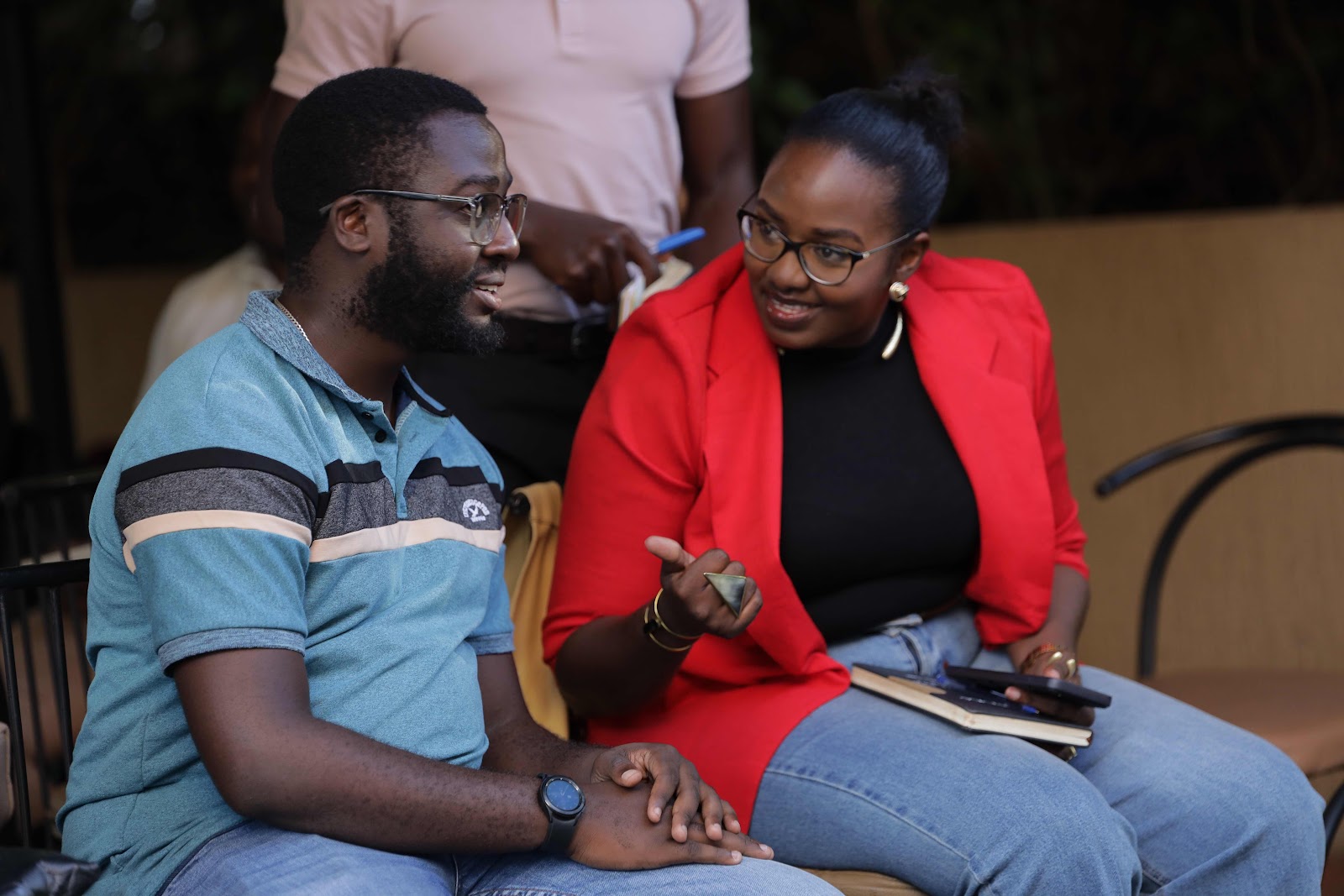
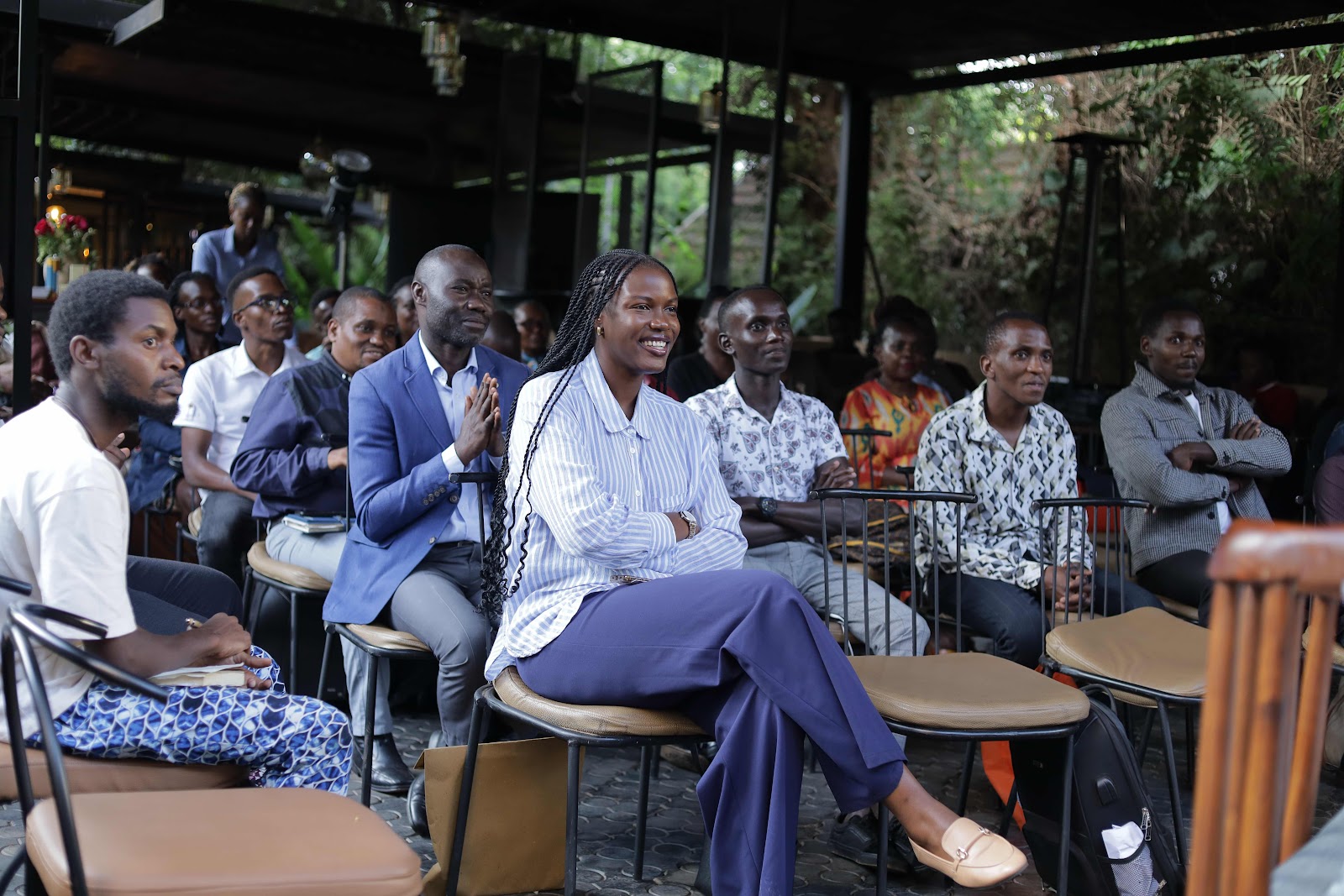
For a theme Africa’s Business Heroes chose Creating a sustainable business: Balancing Profit and Impact. There were a whopping 200 people who registered for the event. 


The theme:Profit, Impact and Sustainability 


What was interesting is that this very idea was brought forth in a discussion about VC myths in Africa in a webinar called Africa Reimagined and which I share in the May issue of Intersection Magazine. In it the author/speaker demystifies the continent and the assumption made by those who are either on the continent or those who wish to engage with it. One of the challenges she presents is precisely this do you build for impact or do you build for profit. 


Expert Panelists


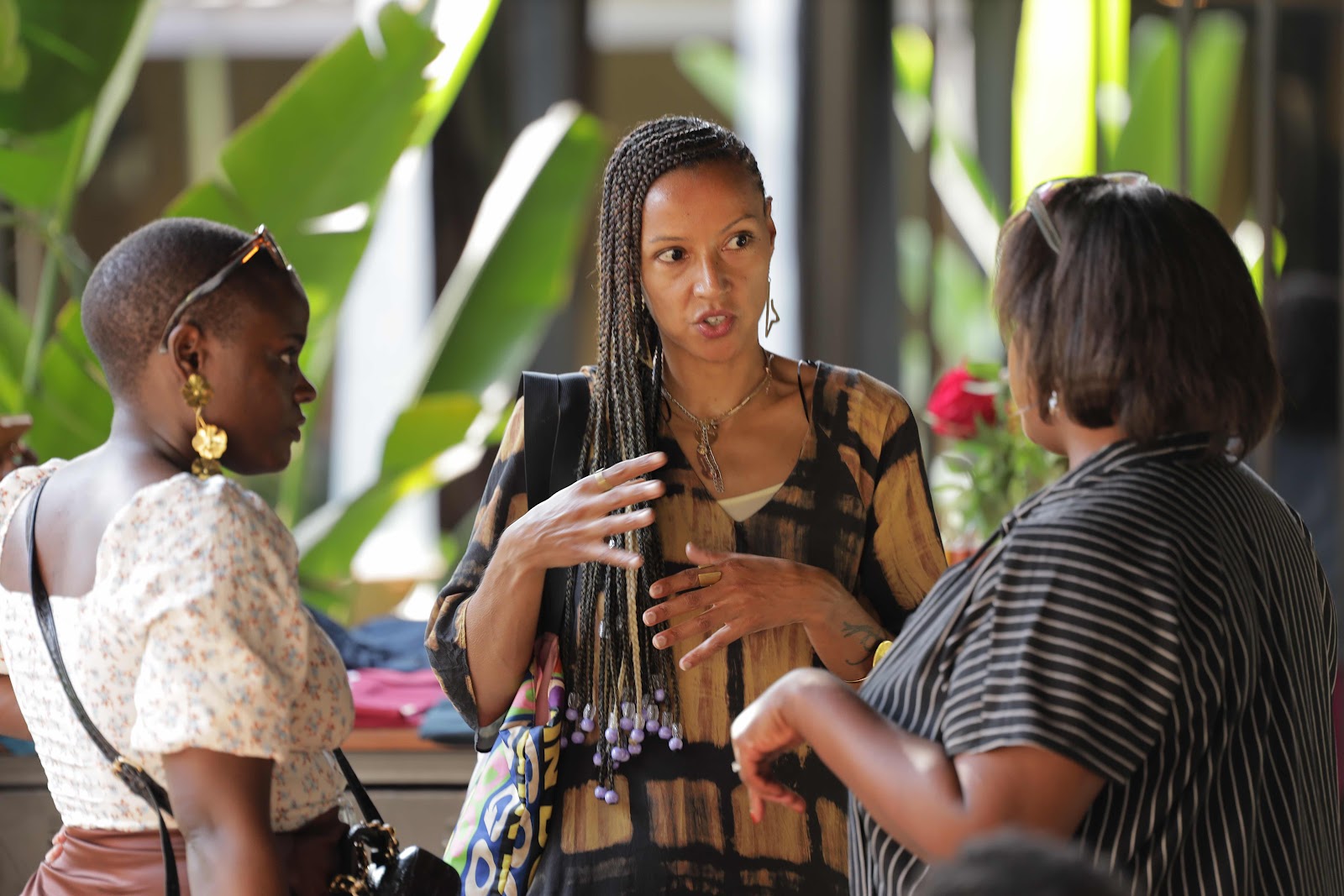
We had three major voices in attendance and a few more who stood out at least in the sense of honesty with which they presented their causes. 

Louisa Kiwana of Kunda Kids, Dr. Emma Naluyima of MST School and Martin Ssali of Smart Foods Limited. 

I had two primary questions. One was about the difference between or relationship between scale and sustainability. Dr. Naluyima presented the case for scale as both vertical and horizontal. For Mr. Ssali I was curious about any direction towards Tofu in their Soya business. Martin Ssali if you do not know has been responsible for innovating around alternatives to milk products for those who are lactose intolerant, those who with age cannot quite digest milk and others with products such as soy yogurt. He also shared how a simple change in name enabled his business to skyrocket in just a few weeks. 

We also saw from Dr. Naluyima how she transitioned from the acre farm which eventually led her to think about a reeducation around farming leading to the creations of her school. Many were curious how she dealt with the temptation to expand. She responded with the fact that unfettered expansion often leads to a dilution in quality. 


Emotion and Storytelling 


One of our hosts was the brains behind a leading space Circular Design Hub formerly hosted in 5th Street Industrial Area and she shared emotionally about how she had to let her dream go after about 8 years in operations. The mind behind a flavored tea company was also thrilled to realize in real time the value people abroad place in Ugandan products especially when branded well. 

Africa’s Business Heroes for me marks an important addition in the space even if they have been active for 6 years. Small business people who want access to funding can find it though different paths as I have suggested in previous podcast episodes listen here https://podcasts.apple.com/ug/podcast/the-intersection-magazine-podcast/id1669247992?i=1000653981723


Strength, Background and Approach 


Africa’s Business Heroes presents one of these paths. By taking part in competitions you not only get a chance to win some money if you succeed but you also get access to resources and training. The rigorous process you go through will be useful in all the ventures you engage in in the future. You must be deliberate in your planning though. By being sector agnostic I believe that this is a promising area for those of you who are building. Africa’s Business Heroes is a sector agnostic project created for Africa by Jack Ma of China to help give African businesses a voice and platform to build and create. In our view a sector agnostic approach allows the group to cast its net wide accommodating the varied needs and challenges of a continent and set of creators and builders whose strength is in building practical solutions.


Tempted to think this is not for Uganda? Check out our past country representatives


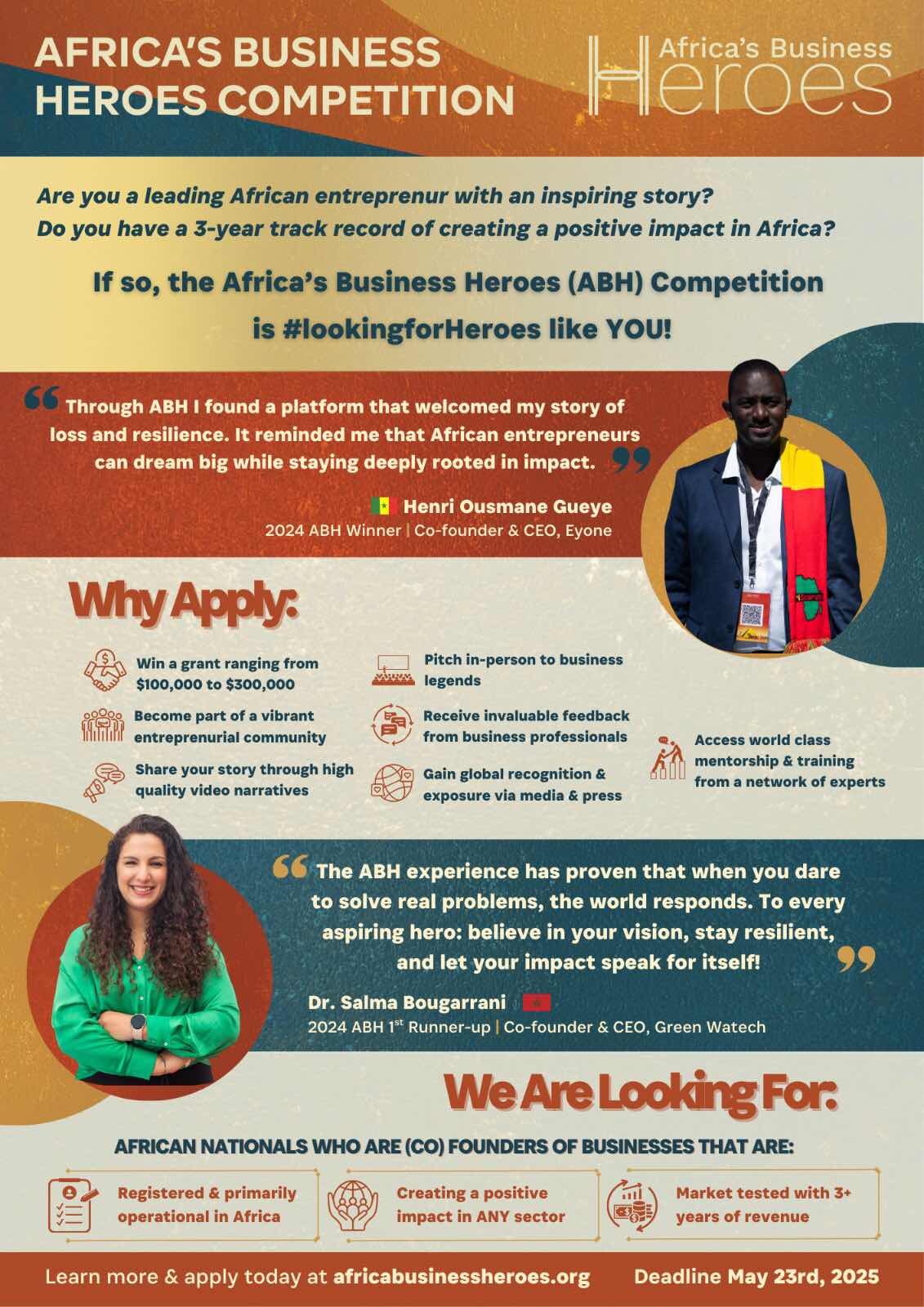
Here is the link that you can use to apply; https://africabusinessheroes.org/en/register

Visit the ABH website for more details on the competition and application process. If you have any questions or need support, feel free to contact us at info@africabusinessheroes.org or via WhatsApp at +250 792 575 614. 

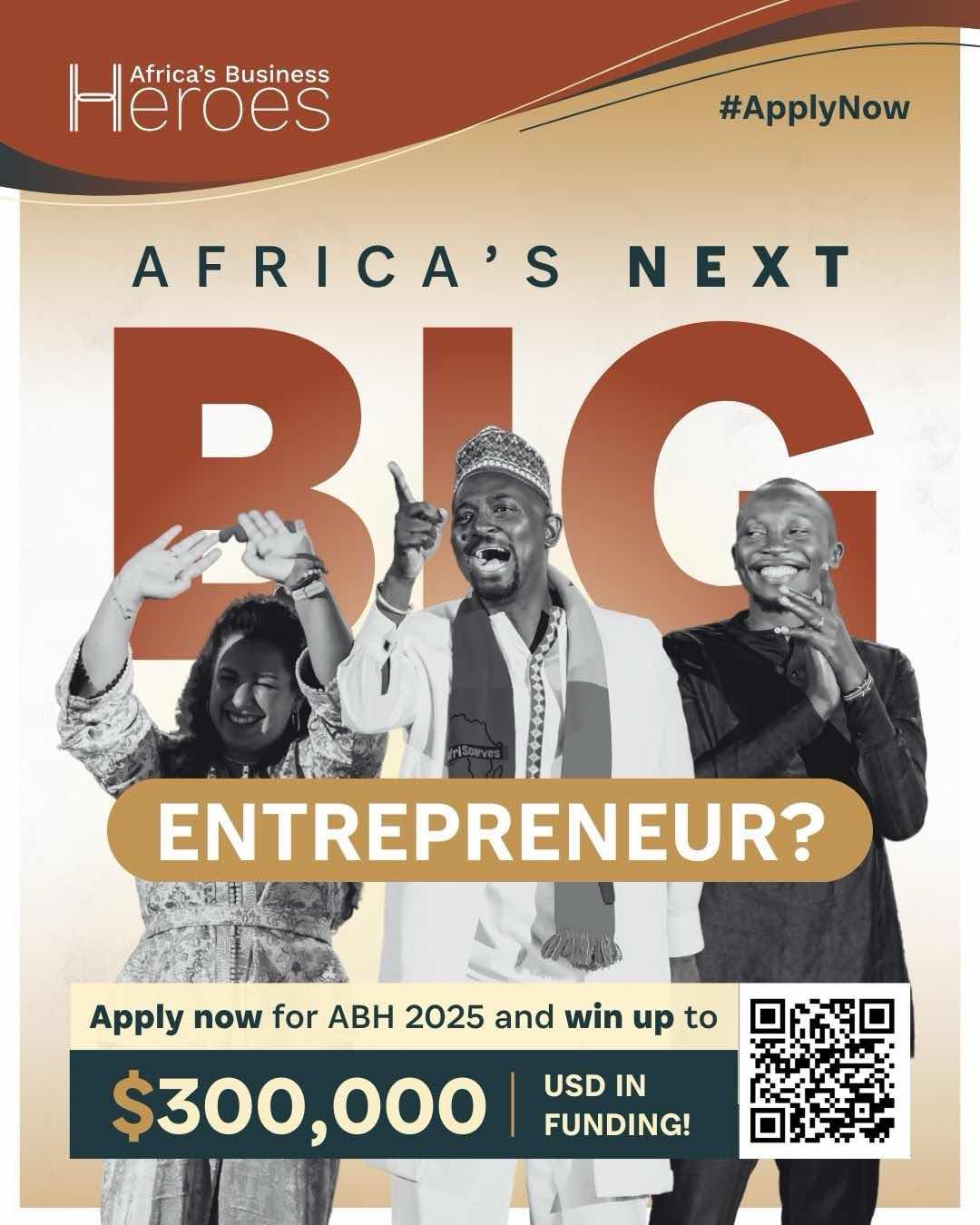
Below is a poster with everything you need to know about the process. 


Tech Safari Mixer in Kampala with Caleb Maru


Communities and Mixers


A few weeks ago, I wrote about the Sling Event that was held at Motiv Uganda. This event run alongside another event led by Caleb Maru of Tech Safari. The Tech Safari Mixer was held on Thursday a day after the sling event. 

Both benefitted from a platform of which I am part called FLUG. Founders Lounge Uganda-a 700 plus group of founders which is designed to help grow the and encourage Ugandan founders in quite a number of ways with content like Newsletter as well as Monthly Events. In the pipeline for this is the creation of a savings and investment group with varying goals some of which are to serve as an emergency buffer for founders, facilitation engine for events and more. 


Tech Ecosystems Explained


Caleb Maru has made a name for himself building information and creating a community both online and physical for technology enthusiasts and practitioners. We were privileged to host him in Uganda for a few days where he had a ‘mixer’. This was a fun filled and networking heavy gathering that was held to introduce Tech Safari to Uganda as we well as to foster collaboraitons and conversation for the growth of the Ugandan Ecosystem. 

When we speak of an evosystem, we refer to the all the major parts that are necessary in creating a health organism (banks, NGOs, founders, SMEs, governement, Univesities, Regulatory Bodies, Venture Capitalists, Angel Investors, High Netwrorth Individuals and more). 


Tech Safari and Caleb Maru


What Caleb has done is write extensively about the tech ecosystem of the continwnt covering almost every significant country and presenting a glimpse of some of the more promising stories from these coutnries as well as those operating in the varied spaces. 

In Uganda Caleb and Tech Safari was interested in having a conversation with those in Uganda about opportunities local and international and how to expand beyond the local. The conversatinon was full of a wealth of insights. The first and in my view the most important ida that was dicsucced had to do with the definition of the challenge or at least the nature of the panel…and the range of the ideas about what constitutes African. Thosew who selected the panel were interested in people who are African operating in Africa as well as those who are African operating abroad. 


Panel Selection, Themes and Networking Benefits


Donald Masa of FLUG helped provide some grounding and insight for those who were doubtful of the landscape and its ability to scale and grow. Peter on the other hand demonstrated the improntance of thinking globally and excelling in a more professional geographic space. He for example stated how providential a move to Nigeria opened up doors for him to access funding just because of his proximity to people who were part of the Ecosystem there. Gwera on the other hand was a useful link for those who were curious about leadership of a global brand and how her voice was utilized to help expand the company. 


 Gwera Kiwana – Global Expansion, Sling Money


 Peter Kisadha – Country Management, RAFIKI


 Donald Maasa(Moderator) – Co-Founder, Startup Lounge Uganda


 Caleb Maru (Host) – Founder & CEO, Tech Safari


On the side, i beneffited through a contact i met who is in the talent space and who i hope to interview both in the podcast as well as the magazine. 


Nuggets from the mixer


Peter Kisadha: 

You need ot engage in a High Performance Culture

Can you name one thing in which we operate at a world class level. 


You have no idea what you have no idea about and you are getting advice from those who also have no idea. 

Therecare Cheat codes in the game. 

We need to diffewreitate between Building in Uganda or building as a Ugandan. 

The challenge of proximity. 

Peter is responsible for a group called Nambi which is organized around Ugandans in diaspora to help them know each other and encourage them to invest in the Ugandan Community. 

Peter realized that Ugandans who don't know each other and decided to help Equip Ugandans to make an impact on a global stage. 

Can you rise and be pointed to as a captain of your industry? 

How much impact can you drive in a third tier city or country? 

You can operate on Cheques and contracts and tie your worth to a market or you can link your value to scale which is at the heart of venture thinking. 

Every year in the month of June Peter Travels to London. 


Gwera Kiwana :


Every African Should Visit three places in Africa:

Lagos

Cairo

Johannesburg 


  • You need to be skilled at Playing the venture game. 
  • They (Central Banks across Africa) are not trying to run you out of business.
  • Economic Parity (gender challenges).
  • Build teams that reflect who you want to serve. 
  • Identify what your Roadmap to revenue growth is
  • Free Today but that could change. What is your revenue model? Non traditional revenue models.
  • Keep costs down by keeping team lean, be flexible and do not take failure personally.
  • Stable coin native we have yield.
  • New features through cards.Access to global rails (US bank access). 
  • Whales who are part of the sling community.
  • Exits happen in different ways.
  • Secondary Markets include Uganda, Rwanda, Cameroon 
  • TAM Total Addressable Market.