Hello Founders mostly in the tech sector, Does the IP apply to our sector ?😏 I don't think it does
This blog was created to attempt to answer the question of Intellectual Property Relevance in the Tech Sector.
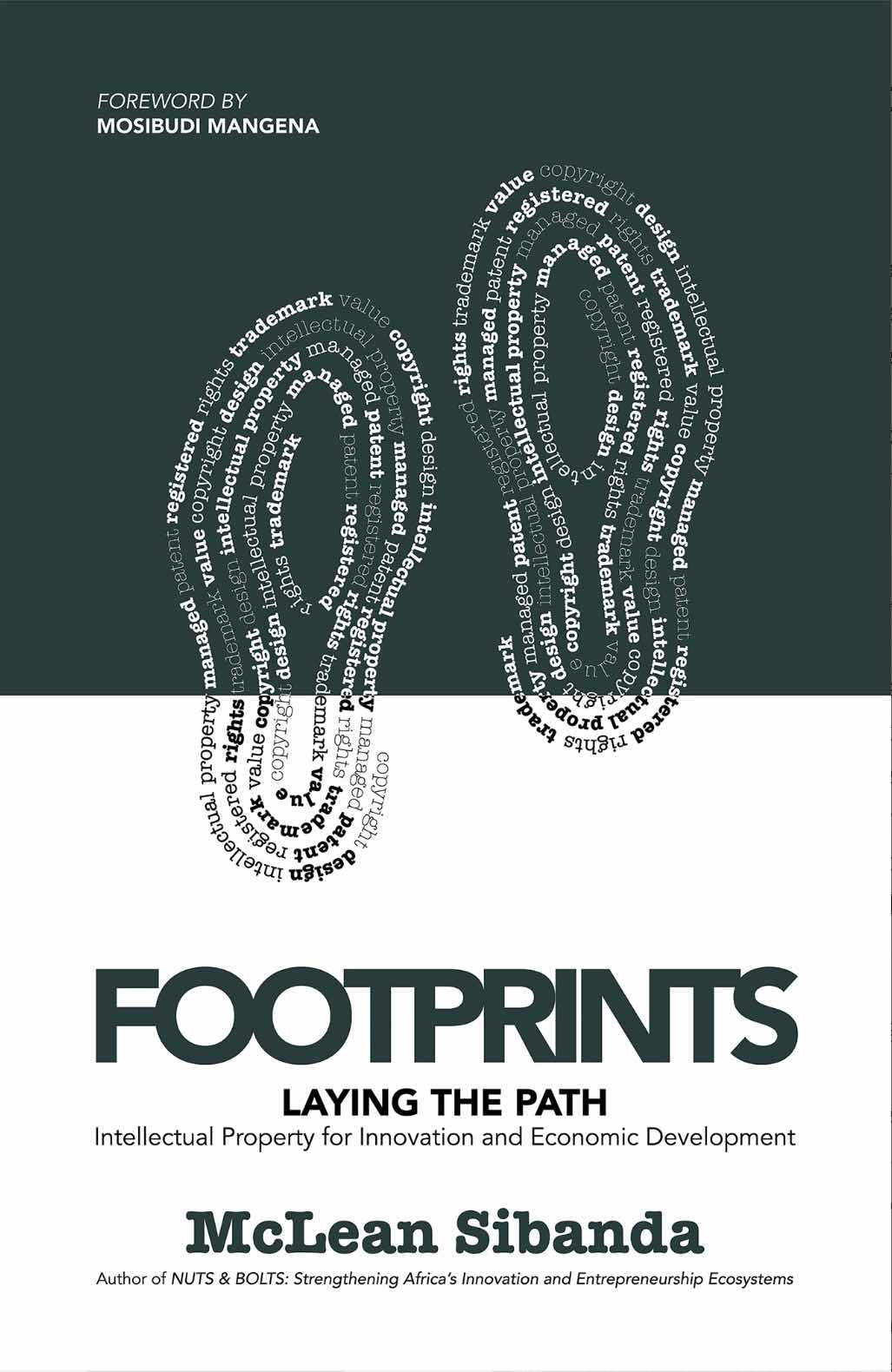
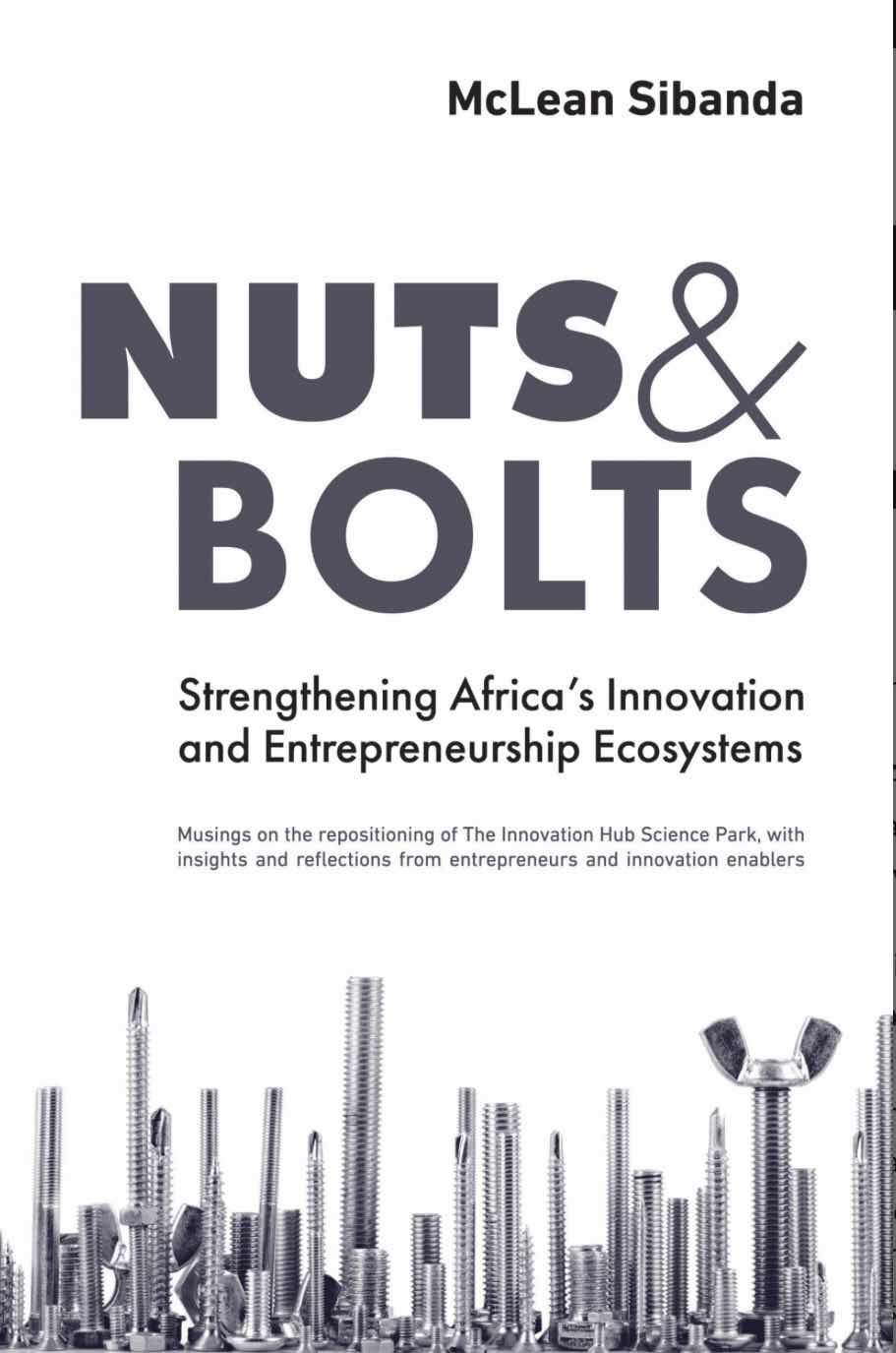
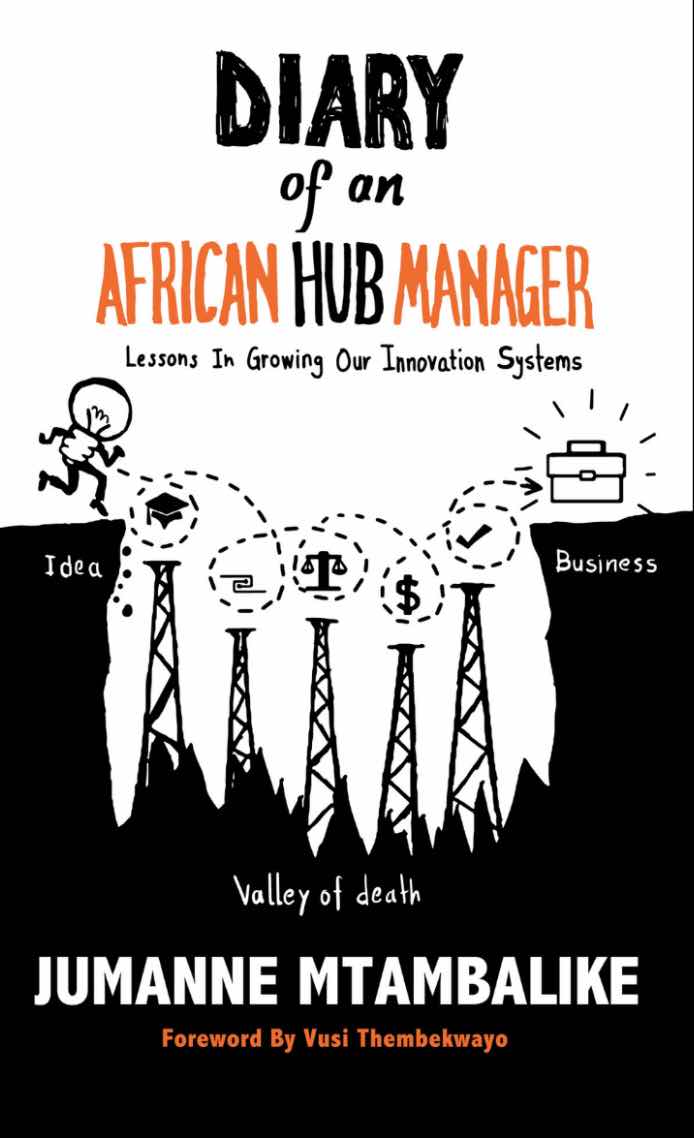
To answer your question about the role of IP in Technology, I would start by sharing a sample of a course I would like to create and that is a combination of ideas from a course created by HarvardX called CopyX, two books written by a South African Author Dr. McLean Sibanda (South Africa) Footprints-Laying The Path: Intellectual Property and Economic Development and Nuts and Bolts-Strengthening Africa’s Innovation and Entrepreneurship Ecosystems, A Diary of an African Hub Manager by Jumanne Mtambilike (Tanzania). An Intellectual Property Management Toolkit written with the collaboration of Ministry of ICT and National Guidance and Shirley Gladys Nakyejwe (Uganda), and the Innovators Guidebook (Kenya)-A guide to intellectual property rights protection and commercialization in Kenya. This guidebook is a collaborative effort between the British Council, UK AID, Anza Village and Kenya National Information Agency.
Exploration of Copyright Law from Harvard Hale School Through the CopyX course 2015 Outline
The Harvard Exchange course is important because it serves as a foundational look at all the important aspects of copyright law.
Copyright Law
Four Theories
These theories are useful in that they inform the general direction that your country or region is going to take when making decision in court with regard to the copyright law. Alongside the study of Theories of copyright law, one has to have a basic understanding of the difference between common law and civil law. This is because Common Law practicing countries tend to protect or favor authors (stating that they deserve what they work for). Civil Law countries on the other hand lean towards rights and protections of one’s personhood (moral rights). The protection of one intellectual property therefore extends beyond the life of the work of art.
Four theories of detemine the thinking behind your country or continent general view of copyright law. Fairness, Personality, Welfare and Cultural Theory.
Foundations of Copyright Law W1
The important distinction between ideas and expressions.
International Treaties.
Originality.
Fairness and Personality Theory W2
Subject Matter of Copyright W3
What is protected, Literary works, Dramatic works, Music, Audio Visual Works, Fictional Characters, Visual and Architecture and Software 1960-1978
Welfare Theory W4
Authorship W5
Joint ownership, Sole ownership and works for hire.
Mechanics of Copyright W6
Decline of formalities, Duration, Protective Provisions
Rights to reproduce and Modify W7
Reproduction, Improper Appropriation
Right to distribute, perform and display W8
Distribution, Public Performance, Exceptions and Limitations
Fair use and misuse W9
Cultural Theory W10
Supplement to copyright, secondary liability and paracopyright W11
Secondary liabilities, Dual-use Technologies and Technological Protection Measures
Remedies W12
Equitable relief
Damages
Criminal Penalties
South Africa Explored in the eyes of a Hub Manager and Patent Attorney
The first book by Dr. McLean Sibanda is an exploration of what I have written about before when referencing what has come to be known as Innovation and Technology Ecosystems. In my work I have sought to identify key parts of standard ecosystem as seen in Silicon Valley the Mecca of all those with an interest in Startups and Innovation. One of those parts is the Technology Hub which Dr. Sibanda makes reference to an expands upon with a special reference to Gauteng, South Africa. This book provides insights into leadership and structure of a hub, collaboration with companies both local and international, sub divisions describing different areas of interest from green economy to Bioengineering to A.I to I.OT and conversations about the 4IR.
The second books goes much deeper into Intellectual Property. Here the author guides us into how to prepare a Nation for development centered on Intellectual Property. The author shares the story of South Africa post apartheid and his entrance into Patent Law as the first Black Patent Law Attorney. He suggests possible paths for creating synergies between educational institutions and law firms as well as means by which nations can learn from each other about policy issues (U.S.A, Canada and India). He also sheds considerable light on the regional and global agreements and governance bodies that make up the trade and intellectual property landscape.
Tanzania in the eyes of a Hub Manager
While Jumanne Mtambilike’s book is does not necessarily dive into the complexities of Intellectual Property Law, he helps readers understand the needs and distinct approaches that hubs have to take and that can be used by a continent keen to make full use of its innovations and the enormous human resource that exists with its youthful populace. The book is written for those who manage hubs, something that might seem simple to the newcomer but that is quite complicated the higher a perspective you take.
There are 11 chapters each dealing with a unique idea. He starts of decsribing his journey and where it all started. Then he talks about the hub manager and his needs. He then explores the characteristics of an African Innovation Hub and its pillars (he believes that it is made up of Community, Activities and Management Teams). He goes on in the 4th chapter to talk about the Hubs and the Ecosystem. Chapter 5 talks about the core of the Ecosystem. His description is interesting in it there are Rural Innovation Ecosystems, Urban and Semi Urban Innovation Ecosystems, National Innovation Ecosystem and Regional Ecosystem.
Chapter 6 is devoted to the big 4. Chapter 7 on the role of governments, 8 on Universities while 9 looks at what happens beyond and outside the University. Chapter 10 is an exploration of Investment while 11 asks What’s next.
Two major issues stood out which we talked about briefly in one of our podcast episodes. In this episode we compare the views of an actual CEO about the fundraising journey with those of Mr. Mtambilike in which the latter makes reference to the need to scrap hackathons as well as his interesting recommendations for those who offer grants.
Uganda Explored
There is a great tool that I was sent and that was published with the collaboration of Ministry of ICT and National Guidance. It is built with special reference to The National ICT Policy 2019, Industrial Property Act 2014, Trademarks Act Act 17 of 2010, Trade Secrets Protection Act 2009, The Copyrights and Neighboring Rights Act 2016 and The Patents Act Cap 216
This toolkit has a list of emerging trends and suggests some implications on Intellectual Property.
It is local in scope covering the work of Uganda Registrations Services Bureau (I was part of the CopyX Harvard Exchange training of a team that was sent by URSB to MUK playing the role of facilitator) as well as World Intellectual Property Organization and African Regional Intellectual Property Organization.
It helps split up Intellectual Property into its constituent parts with Uganda in mind. Patents, Utility Models, Trademarks, Copyrights, Trade Secrets and Industrial Designs with each, the toolkit goes on to describe the applications process with URSB. The author Shirley Gladys Nakyejwe also shares misconceptions of the different types of Intellectual Property.
Discussions worth having concern common defenses in patent litigation as well as Trademark Infringement and Defenses. Other areas are taken from the rich resources of the broader American State Code and those familiar with some of these codes will recognize the use of language that was derived out of cases in the US.
Cases and Media (Film).
Perhaps another interesting suggestion for those who want a better understanding of the Intellectual Property Landscape would be not only an examination of court cases especially those that set precedents or that made it to the Supreme Court. It is also a common practice for American Court to admit Amicus Briefs. This can be an invaluable resource for complex technical cases that involve code (software). In addition to cases, certain portrayals of films (Billion Dollar Code-Limited Series on Netflix) are useful in helping explain the challenges that are faced especially when it comes to usage and copying of code. Introductory discussions about Intellectual Property teach us of the distinction between ideas and expressions and the need to ‘fix’ what you create. This means for example that dance steps or musical notation can be protected. When it comes to software, as was shown in the Google Vs. TerraVision patent infringement case.

Kenya Explored
After stating the value behind explorations of the complexities of protection of patents in software, readers might appreciate the lengths that the Innovators Guide has taken with regards to Intellectual Property in Kenya. For almost all the different forms of Intellectual Property that were mentioned there is an example that most people in Kenya can identify and recognize (Sauti Sol, Java House, A Pesticide Company and Charcoal Stove). Perhaps one major difference that was shown in the Ugandan Guide, was the use of images or illustrations to describe the applications processes for different products.
That said the Kenyan guide is much more broad in scope covering the vast country that has had a little bit more stability and time to develop. In addition to this we see demonstrated the importance of having strategic partnerships and signing international treaties with development in mind.
In Kenya the Copyright Act 2001, Trademarks Act Cap 506 and Intellectual Property Act 2001 are made use of as well as International Treaties.
Additional value is gained in a chapter devoted entirely to International Expansion.
Below are some events that have taken place in Uganda.
Some events that have taken place recently in Uganda.


No comments:
Post a Comment